

High-Speed Capsule Filling Machine: Revolutionizing Efficiency and Precision in Pharmaceutical Manufacturing
Release time:
2025-09-22
In the ever-evolving world of pharmaceutical manufacturing, efficiency and precision are paramount. With the growing demand for high-quality products and faster production cycles, a high-speed capsule filling machine has become an indispensable tool for modern pharmaceutical companies. This advanced technology not only ensures high-quality outcomes but also significantly reduces production time, making it a game-changer in the industry.
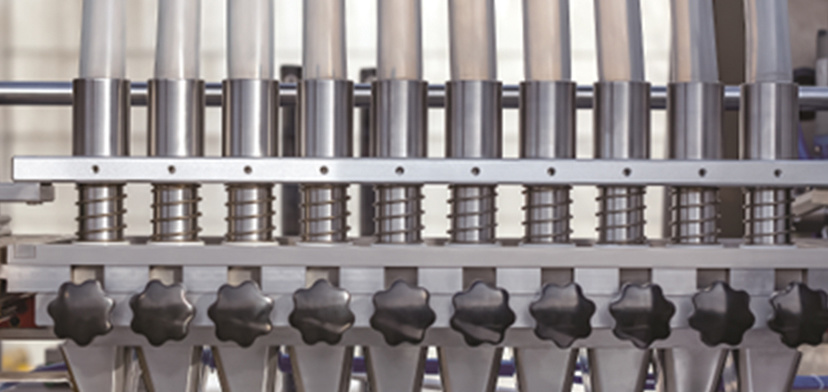
A high-speed capsule filling machine is an automated system designed to fill empty capsules with powders, granules, or pellets at an accelerated rate. This machine is equipped with cutting-edge technology that enhances its performance and accuracy, allowing it to fill capsules quickly and precisely, without compromising quality. These machines are essential in the production of medicines, nutraceuticals, and dietary supplements.
Key Advantages of High-Speed Capsule Filling Machines
1. Increased Production Capacity
One of the most significant advantages of high-speed capsule filling machines is their ability to significantly boost production capacity. These machines are designed to operate at faster speeds, enabling manufacturers to produce large volumes of capsules in a shorter period. This increased throughput is crucial in meeting the demands of a fast-paced market while maintaining high standards of quality.
2. Enhanced Accuracy and Precision
Accuracy is vital when it comes to capsule filling. High-speed machines are equipped with sophisticated mechanisms that ensure precise filling every time. Whether it's powder, pellets, or granules, these machines offer consistent and accurate dosage, reducing the risk of errors that could compromise the effectiveness of the final product.
3. Improved Cost Efficiency
Despite their advanced technology, high-speed capsule filling machines help reduce operational costs. Their ability to automate the filling process minimizes the need for manual labor, which lowers production costs. Furthermore, the enhanced efficiency leads to less waste and faster turnaround times, contributing to overall cost savings.
4. Versatility and Customization
High-speed capsule filling machines are highly versatile and can be customized to meet the specific needs of various industries. Whether it's a small batch or large-scale production, these machines can be adjusted to accommodate different capsule sizes and filling materials. This flexibility allows pharmaceutical companies to cater to a broad range of products, making them ideal for both niche and mass-market applications.
5. User-Friendly Interface
Modern high-speed capsule filling machines come equipped with intuitive control panels that make operation simple and efficient. With user-friendly interfaces, operators can easily monitor and adjust settings, ensuring optimal machine performance with minimal training. This ease of use reduces the likelihood of human error and boosts overall productivity.
6. Compliance with Regulatory Standards
Regulatory compliance is a critical concern in the pharmaceutical industry. High-speed capsule filling machines are designed to meet stringent quality control standards, ensuring that every batch of capsules produced is in compliance with both local and international regulations. This ensures that the final product is safe, effective, and trustworthy for consumers.
Why Choose a High-Speed Capsule Filling Machine?
In summary, a high-speed capsule filling machine offers a range of benefits that can significantly improve the efficiency, accuracy, and cost-effectiveness of your pharmaceutical production process. Its ability to handle large volumes of capsules while maintaining precision, coupled with its versatility and compliance with regulatory standards, makes it an essential investment for any pharmaceutical manufacturing facility.
Whether you are looking to enhance your production capabilities or streamline your manufacturing process, investing in a high-speed capsule filling machine is a smart choice that will help you stay competitive in an increasingly demanding industry.
By choosing this state-of-the-art technology, you can ensure that your products meet the highest standards of quality while maintaining the speed and efficiency needed to thrive in today's fast-paced pharmaceutical market.
More news
Tablet press machines play a pivotal role in the manufacturing of tablets, ensuring that products are produced efficiently and meet stringent quality standards. One of the latest advancements in this field is the inclusion of hardness testing options within these machines. This capability allows manufacturers to assess the hardness of tablets during the production process, providing real-time feed
How Coated Tablet Production Benefits from Advanced Tablet Press Machines
How Coated Tablet Production Benefits from Advanced Tablet Press Machines Introduction to Coated Tablet Production Coated tablets are an essential dosage form in the pharmaceutical industry, offering numerous advantages over uncoated tablets, such as improved stability, taste masking, and enhanced bioavailability. The production of these tablets requires precision and accuracy, making advanced tab
Understanding High-Speed Rotary Tablet Presses: Advancements in Packaging Technology
High-speed rotary tablet presses are essential machines in the manufacturing and packaging industry, particularly in the production of tablets for pharmaceuticals, nutraceuticals, and other solid dosage forms. These machines are designed to produce a large volume of tablets quickly and efficiently, making them a cornerstone of modern tablet production processes. One of the significant advantages o
Understanding the Key Benefits of a Pharmaceutical Tablet Compression Machine
Understanding the Key Benefits of a Pharmaceutical Tablet Compression Machine Table of Contents What is a Pharmaceutical Tablet Compression Machine? The Role of Tablet Compression Machines in the Pharmaceutical Industry Key Benefits of Using a Tablet Compression Machine 1. Enhanced Production Efficiency 2. Improved Product Quality 3. Consis